

In subjects ranging from population dynamics to fermentation to geopolitics, SimulationSpot translates complex, multi-faceted concepts into dynamic and interactive simulations. LabXchange is excited to welcome SimulationSpot to our platform and add their wonderful resources to our free public catalog. Below, hear from SimulationSpot founder José Gómez and learn more about their work.
SimulationSpot enhances science learning through interactive simulators that invite students and educators to explore complex systems, turning abstract theory into hands-on understanding.
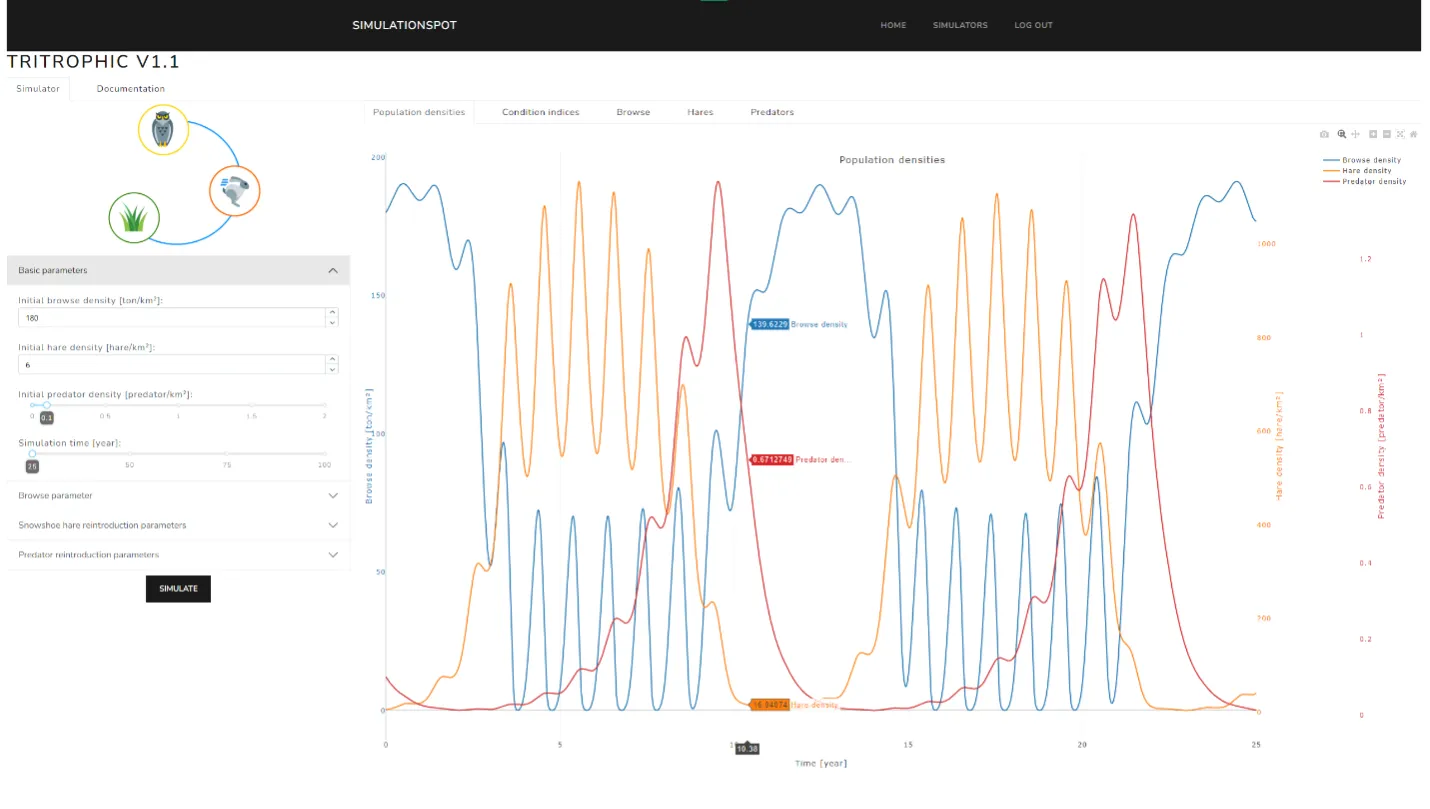
One fun fact about SimulationSpot is that some of our simulator ideas were first sketched on paper napkins during coffee breaks—and a few of those napkin concepts ended up becoming full, polished educational tools.
What motivates me to work in science education is simple: I want people to truly understand how the world works. Too often, science is taught as something distant or abstract. Through simulations, I can turn complex systems into something you can experiment with, question, and learn from in a hands-on way. Seeing students suddenly “get it”—not because they memorized something, but because they discovered it themselves—is what keeps me in this field.
So far, the simulator I’m most proud of is Arms Race. It has been used in International Relations classes at the Complutense University of Madrid and in General Staff courses in the military.
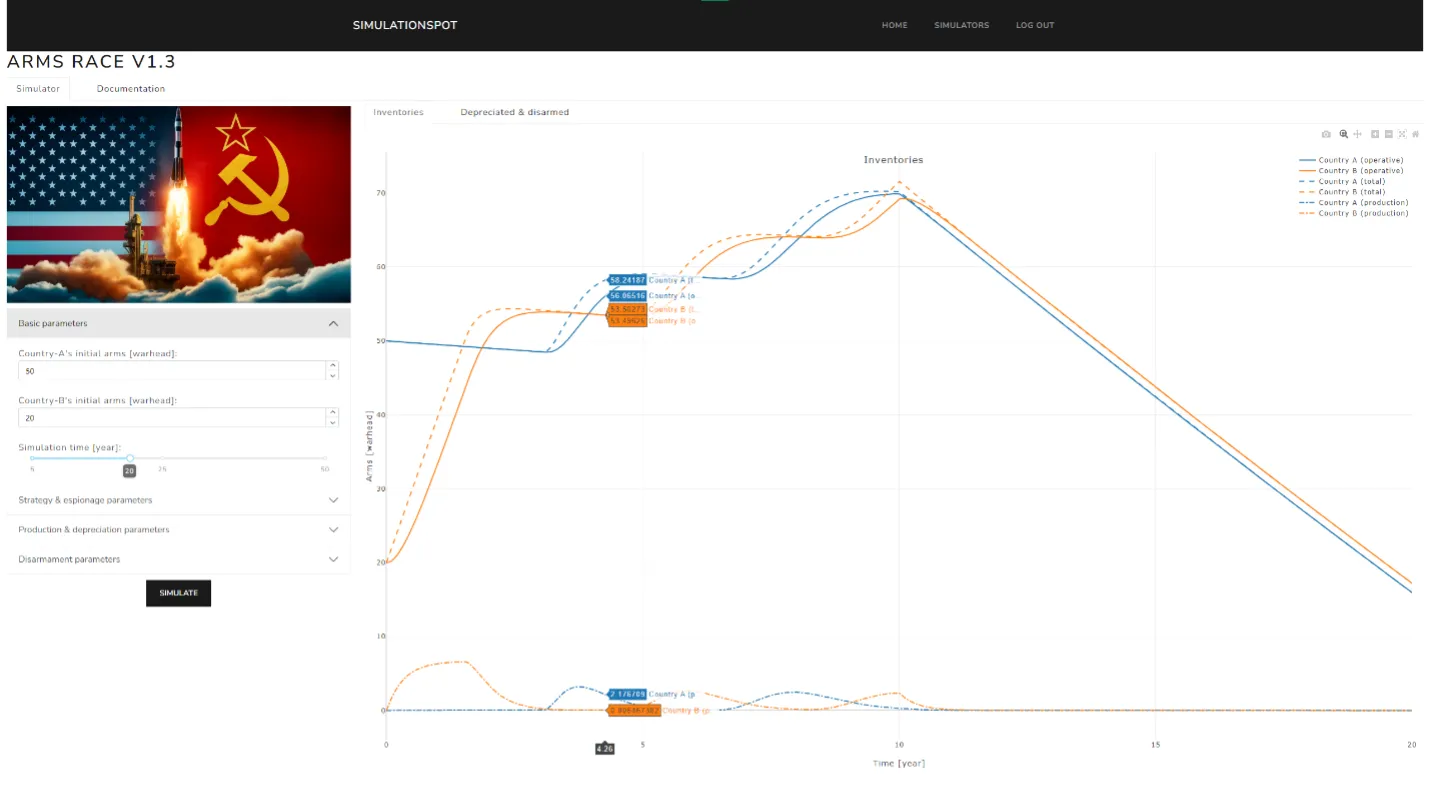
Learners and educators get the most out of our content when they treat the simulators as experimental sandboxes, not as fixed lessons. The best approach is to make predictions, try things, break things, and ask “why did the system react this way?” Educators can frame each activity with a simple question or challenge, and let students explore freely. The value isn’t in following steps—it’s in discovering how complex systems behave when you push them.
We’re focusing on expanding our library of simulations into areas that are usually hard to teach with traditional methods—especially complex systems, environmental dynamics, and strategic decision-making. We’re also developing more interactive tools that let educators customize scenarios to fit their courses. In short, the future of SimulationSpot is about deeper simulations, more realism, and giving learners even more freedom to experiment and understand how the world works.
Discover more resources from SimulationSpot in the LabXchange library!
.svg)




.svg)


