


Explore free interactive virtual lab simulations aligned to the inquiry-based investigations of AP® Biology.
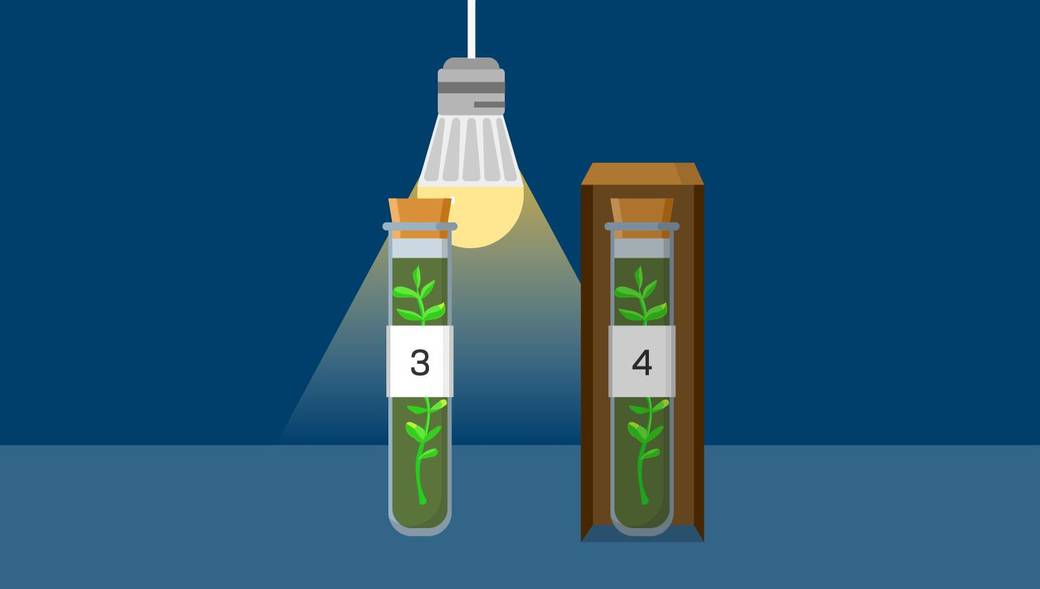
This protocol simulation allows us to address fundamental questions about photosynthesis and cellular respiration.
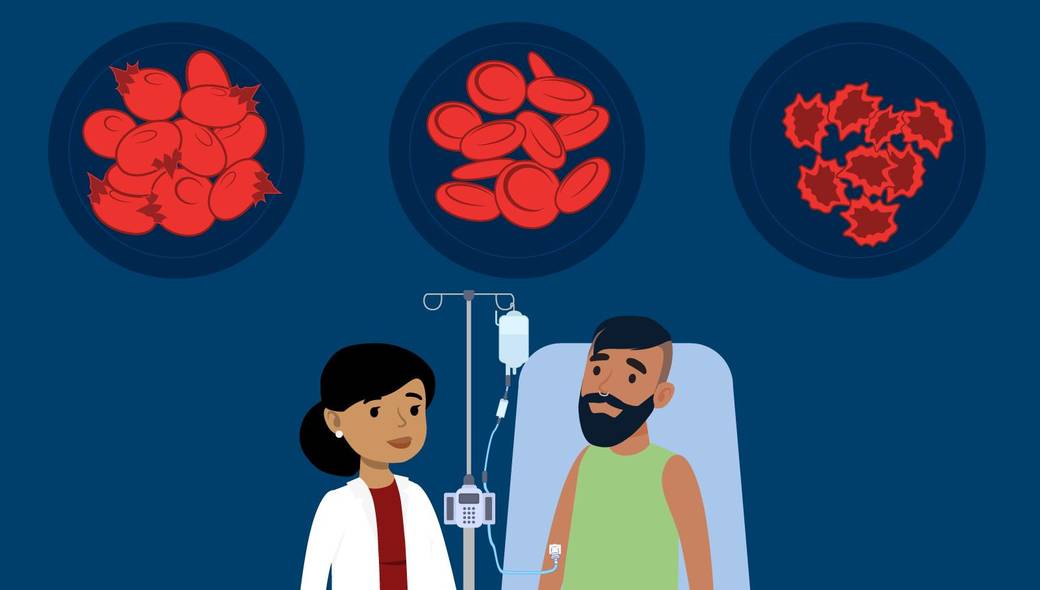
How do various solution concentrations affect water flow into and out of cells?
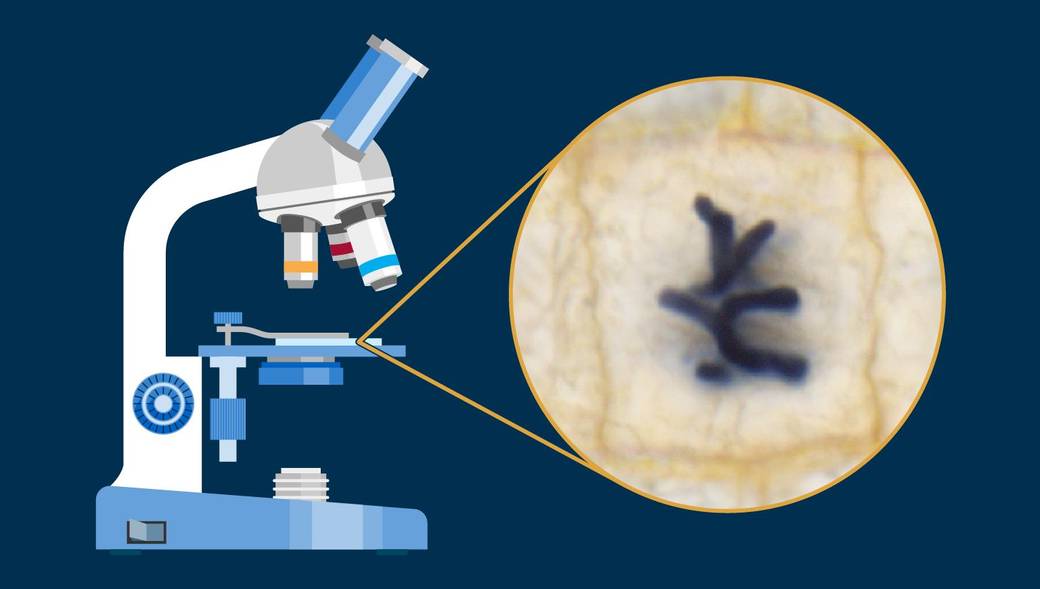
Analyze scallion root tip cells to determine the effect of lectins on the rate of mitosis.
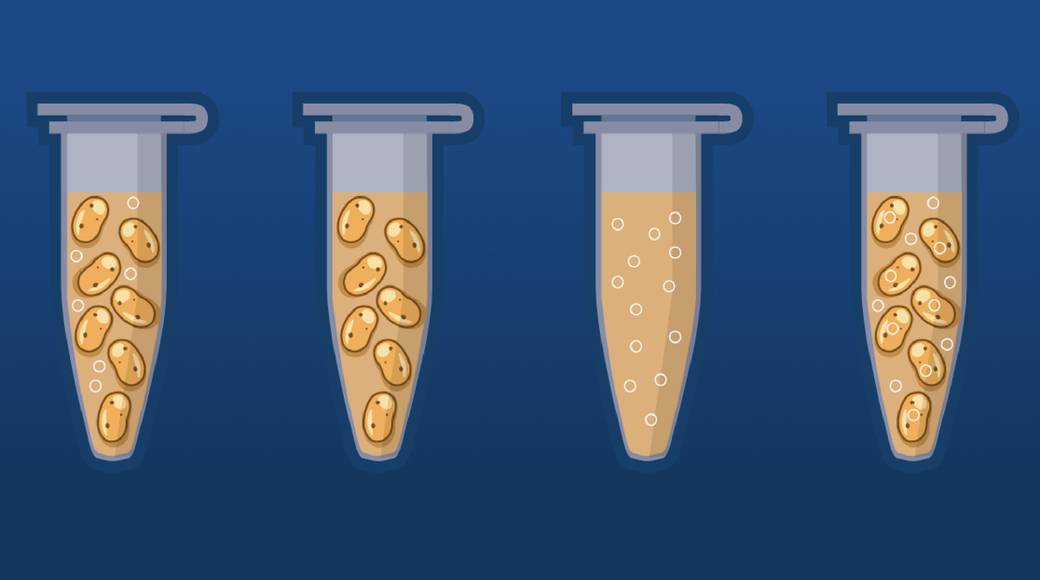
In this simulation, users will practice transforming bacterial cells with a recombinant plasmid using the heat shock method.

This simulation provides an opportunity to practice a restriction digest in a virtual lab setting.
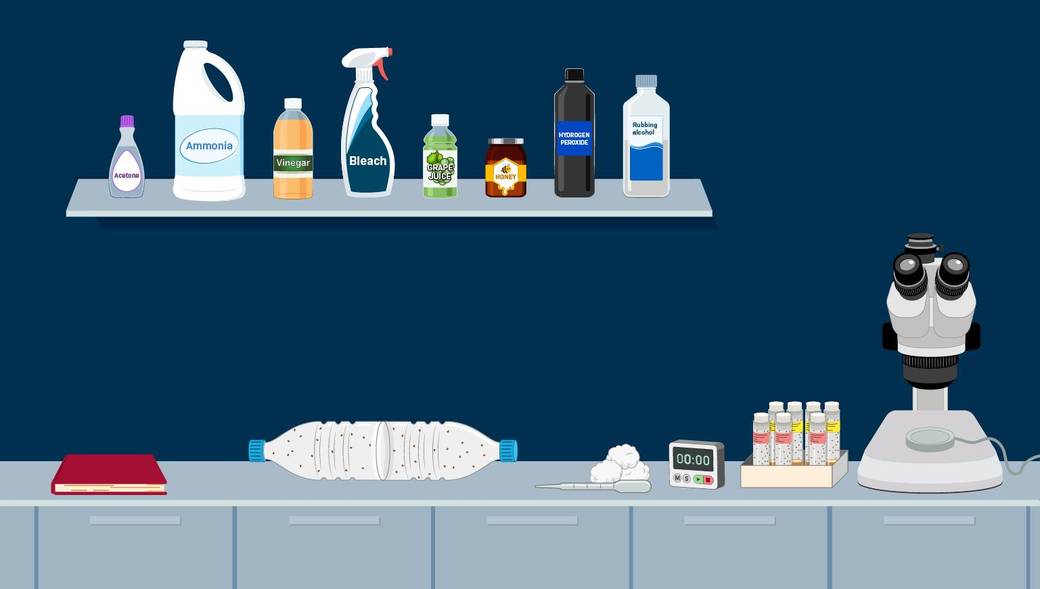
In this virtual lab, explore how the behavioral response of Drosophila melanogaster is related to changes in the external environment.
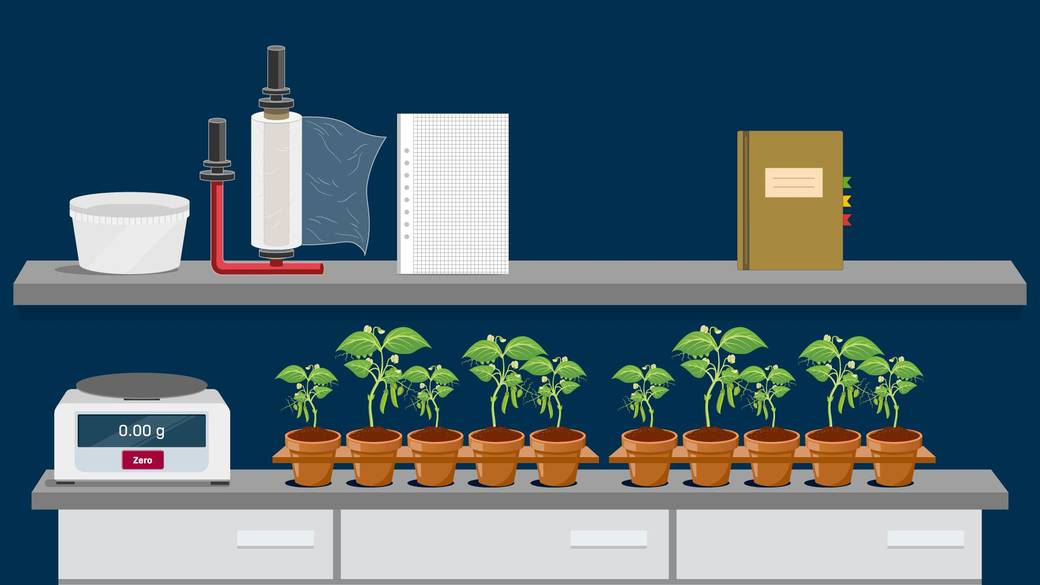
All living things need water. Explore how plants regulate water loss and respond to their environment.

Artificial selection, unlike natural selection, is driven by human preference rather than environmental pressures.
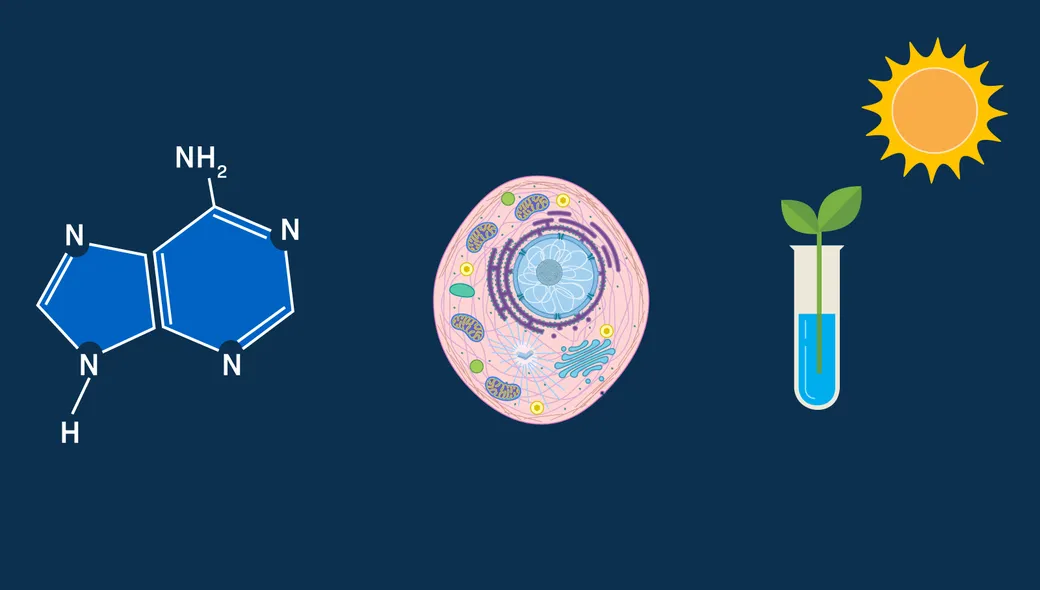
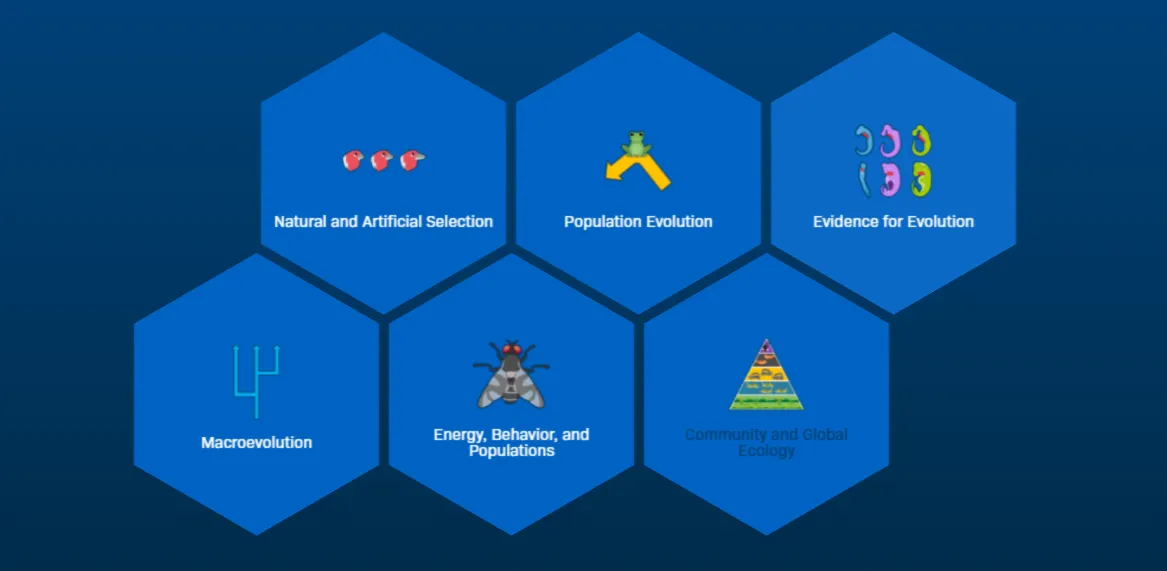
The curriculum is organized into 8 units: Chemistry of Life, Cell Structure and Function, Cellular Energetics, Cell Communication and the Cell Cycle, Heredity, Gene Expression and Regulation, Natural Selection, and Ecology.
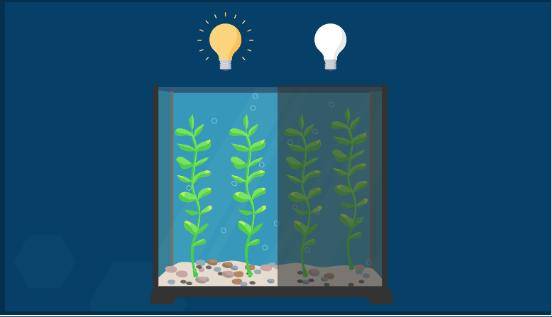
This cluster builds on the biochemical and cellular information is transmitted..
AP Biology is an advanced, college-level course taught at the high school level that prepares students for introductory biology in college..
“By giving students experience before a hands-on lab or giving them a chance to review a virtual lab afterwards, I can better enable students with varying backgrounds to achieve at the AP level.”
- Mary Liu, Science Teacher, Weston High School
.svg)

.svg)


